
Release time:July, 24, 2026 Author:admin 

Product development is one of the most important stages in garment manufacturing, and fabric sampling plays a central role in turning design concepts into finished products. Before mass production begins, manufacturers must create multiple samples to evaluate pleat styles, fabric performance, garment construction, and customer preferences. However, repeated sampling can become expensive due to material consumption, labor costs, machine setup, and long development cycles. The ZJ-217(C/D) pleating machine helps garment manufacturers reduce these sampling costs by providing flexibility, efficiency, and consistent pleating performance throughout the product development process. One of the biggest advantages of the ZJ-217(C/D) is its ability to produce a wide range of pleat patterns using a single machine. During the sampling stage, designers often need to compare different pleat styles such as knife pleats, box pleats, flat pleats, wave pleats, bamboo pleats, crystal pleats, and combined pleats before selecting the final design. Instead of using multiple machines or outsourcing different pleat styles, manufacturers can create various samples quickly with the ZJ-217(C/D). This versatility significantly reduces equipment investment and lowers the overall cost of sample development.
Quick machine adjustment is another important factor in reducing sampling expenses. Product development frequently involves changing pleat dimensions, testing different fabric types, and refining garment details based on customer feedback. The ZJ-217(C/D) is designed for straightforward operation and efficient setup, allowing operators to modify pleat patterns with minimal downtime. Faster adjustments mean fewer labor hours are required to produce each sample, enabling development teams to complete multiple design variations within a shorter period. The machine also supports a wide variety of fabrics, making it highly practical for fashion manufacturers serving different markets. Sampling may involve lightweight chiffon for evening dresses, satin for luxury garments, polyester for commercial fashion, rayon for flowing skirts, or blended fabrics for modern collections. The ZJ-217(C/D) can process these materials effectively without requiring separate equipment for each fabric type. This flexibility eliminates unnecessary production complexity and reduces the cost associated with handling diverse textile materials during product development.
Consistency during sampling is equally important. When early samples vary in pleat quality or appearance, designers often need to repeat the development process, resulting in additional fabric waste and production time. The ZJ-217(C/D) provides stable heat distribution, balanced pressure, and reliable fabric feeding, ensuring that each sample closely matches the intended design. Consistent results allow designers to evaluate products accurately and make decisions with greater confidence, reducing the need for repeated trial production. Another significant cost-saving advantage is the reduction of fabric waste. Premium fashion fabrics such as chiffon, satin, and specialty synthetic materials can be expensive, and unsuccessful sampling quickly increases development costs. Because the ZJ-217(C/D) delivers precise pleat formation and stable fabric handling, it minimizes defects caused by uneven folds, fabric shifting, or incorrect pleat spacing. Better first-time accuracy means more usable samples and less discarded material throughout the development process.
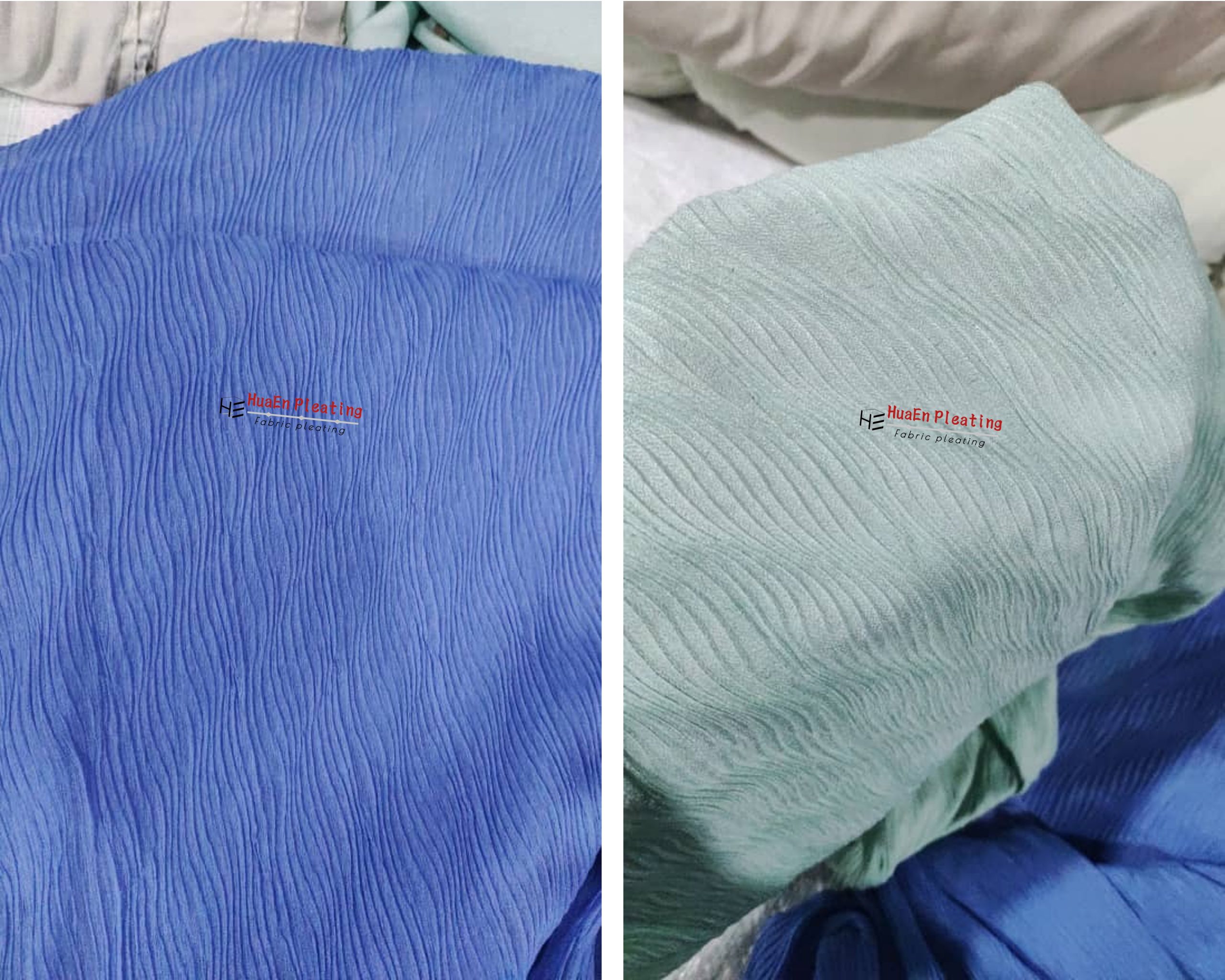
The ZJ-217(C/D) also helps improve communication between designers, manufacturers, and buyers. Many garment projects require several rounds of sample approval before production begins. By producing accurate and professional-looking pleated samples in-house, manufacturers can present designs more efficiently and respond quickly to requested modifications. Faster sample turnaround shortens approval cycles and allows production schedules to move forward without unnecessary delays. For small and medium-sized garment manufacturers, sampling efficiency directly affects competitiveness. Fashion trends change rapidly, and brands must introduce new collections within increasingly shorter timeframes. The ZJ-217(C/D) enables manufacturers to develop seasonal collections more quickly by reducing preparation time and simplifying the sampling process. This improved speed helps companies respond to market trends while controlling development costs.
Another benefit is the machine's suitability for both custom orders and small production runs. Many manufacturers receive requests for limited-edition collections or personalized designs that require extensive sampling before final approval. The ZJ-217(C/D) allows these projects to be completed efficiently without interrupting regular production schedules. This flexibility improves machine utilization while generating additional business opportunities for garment factories. Ultimately, the ZJ-217(C/D) is much more than a pleating machine for production—it is a valuable tool for product development and innovation. By supporting multiple pleat styles, accommodating various fabrics, reducing setup time, minimizing material waste, and delivering consistent sample quality, it helps garment manufacturers lower sampling costs while accelerating the journey from design concept to commercial production. For fashion businesses seeking greater efficiency, faster product development, and better cost control, the ZJ-217(C/D) provides a practical and dependable solution that supports long-term growth in an increasingly competitive apparel industry.