
Release time:December, 19, 2025 Author:admin 

Pleated fabrics have long been a defining element in fashion, admired for their ability to transform simple textiles into visually striking and dynamic garments. From classical attire to modern runway designs, pleats continue to play an essential role in enhancing both texture and aesthetics in clothing. Their structured folds introduce depth, rhythm, and movement, allowing designers to elevate the visual and tactile qualities of fabric while maintaining elegance and functionality. One of the most significant contributions of pleated fabrics is the added texture they bring to garments. Through repeated folds and carefully set patterns, pleats create a three-dimensional surface that contrasts beautifully with flat textiles. This textured effect adds richness to clothing, making it more visually engaging even when produced from plain or single-color fabrics. Knife pleats, box pleats, wave pleats, and crystal pleats each offer distinct surface effects, enabling designers to choose patterns that best express their creative vision.
Pleated fabrics also enhance aesthetics by influencing how garments interact with light. The folds catch and reflect light differently across the fabric surface, creating subtle highlights and shadows that change with movement. This play of light adds depth and sophistication, especially in materials like satin, chiffon, and silk blends. As the wearer moves, the pleats shift and flow, producing a dynamic visual experience that flat fabrics cannot achieve. This quality makes pleated garments particularly appealing for dresses, skirts, and evening wear. Movement is another key aesthetic advantage of pleated fabrics. Pleats allow garments to expand and contract naturally with the body, creating graceful motion with every step. This flowing effect adds elegance and fluidity, enhancing the wearer’s silhouette without restricting comfort. In lightweight fabrics, pleats move softly and rhythmically, while in structured textiles, they create defined lines that emphasize shape and form. Designers often use pleats strategically to guide the eye, elongate the body, or add volume where needed.
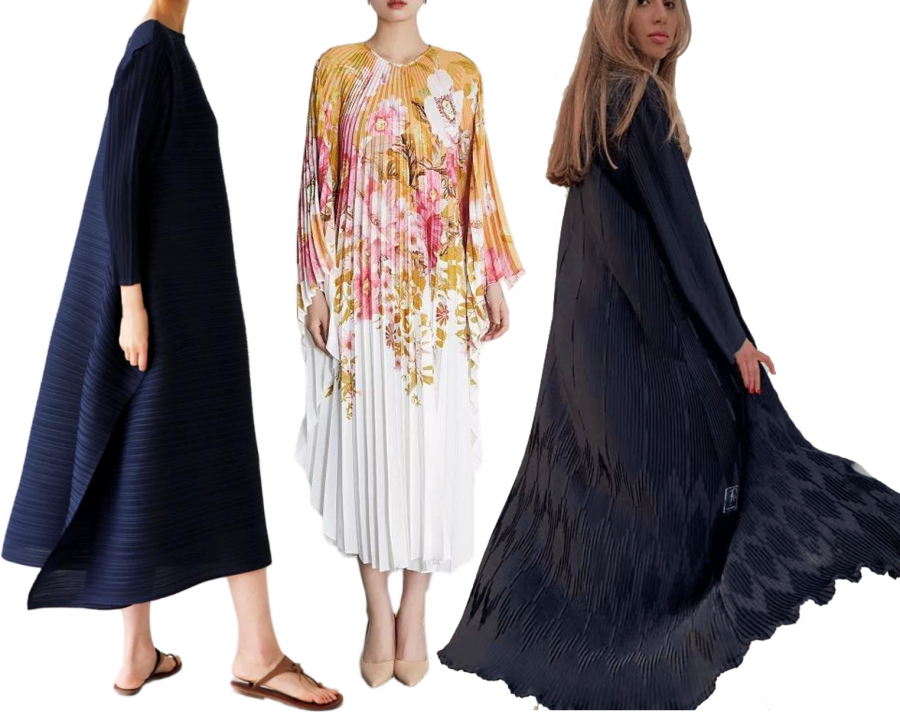
Beyond visual appeal, pleated fabrics contribute to the functional design of clothing. The structured folds provide flexibility and ease of movement, making garments both stylish and practical. Pleated skirts and dresses, for example, offer freedom of motion while maintaining a refined appearance. In garments such as abayas, kaftans, hijabs, and scarves, pleats add dimension and elegance without increasing bulk, ensuring comfort and wearability alongside aesthetic value. Pleats also allow designers to express creativity through pattern variation and fabric choice. The same pleat style can look dramatically different when applied to chiffon versus velvet or polyester versus viscose. Fine pleats create delicate, intricate textures suited to high-fashion pieces, while wider pleats deliver bold and architectural statements. This versatility makes pleated fabrics adaptable to a wide range of fashion segments, from luxury couture to everyday apparel and even home textiles like curtains and bedding.
In modern fashion, pleated fabrics play a crucial role in blending tradition with innovation. While pleating has historical roots in handcrafted techniques, contemporary machine pleating allows for greater precision, consistency, and creative freedom. Designers can experiment with complex patterns, combined pleats, and two-way pleating effects that were once difficult to achieve manually. This technological advancement ensures that pleated fabrics remain relevant and continually evolving within the fashion industry. Cultural expression is another area where pleated fabrics enhance clothing aesthetics. Across different regions and traditions, pleats are used to symbolize elegance, modesty, or craftsmanship. Whether incorporated into traditional garments or reinterpreted in contemporary designs, pleated fabrics carry cultural depth and artistic value. This connection between heritage and modern design adds meaning to garments beyond their visual appeal. Ultimately, pleated fabrics enhance clothing by transforming texture, improving movement, and enriching overall aesthetics. They bring life to fabric, turning simple materials into expressive and elegant designs that captivate both the eye and the wearer. As fashion continues to evolve, pleated fabrics remain a powerful design element—timeless yet innovative, structured yet fluid—proving that carefully crafted folds can elevate clothing into true works of art.