
Release time:February, 13, 2026 Author:admin 

The ZJ-316D pleating machine plays a vital role in supporting designers who work with mixed fabric compositions, a growing trend in modern fashion. Today’s garments often combine different materials—such as polyester with chiffon, satin with mesh, or viscose blends with synthetic fibers—to create depth, contrast, and dynamic movement. While these combinations enhance aesthetic appeal, they also introduce technical challenges during the pleating process. Different fibers react differently to heat and pressure, making precision and stability essential. The ZJ-316D is specifically valued for its ability to manage these variations effectively, allowing designers to maintain both creative freedom and production reliability.
One of the most important advantages of the ZJ-316D is its stable and adjustable heating system. Synthetic fibers like polyester require sufficient heat to permanently set pleats, while delicate materials such as chiffon or fine blends can easily become distorted or damaged if exposed to excessive temperature. When fabrics are combined in a single garment, the machine must apply enough heat to secure the pleat without compromising the softer or more sensitive component. The ZJ-316D provides controlled temperature regulation that ensures proper pleat fixation while protecting fabric texture, sheen, and elasticity. This balance is crucial for designers who aim to achieve clean, lasting pleats without sacrificing material quality.
In addition to temperature control, the ZJ-316D offers consistent pressure distribution, which is especially important when working with layered or blended fabrics. Mixed compositions often involve multiple layers—such as a structured base fabric paired with a lightweight overlay. If pressure is uneven during pleating, layers may shift, wrinkle, or misalign, resulting in inconsistent pleats and increased rejection rates. The solid mechanical construction of the ZJ-316D ensures balanced compression across the entire fabric width, helping maintain alignment and structural harmony between layers. This reliability supports designers producing complex garments such as pleated dresses with linings, multi-layer skirts, or fashion pieces with contrasting textures.
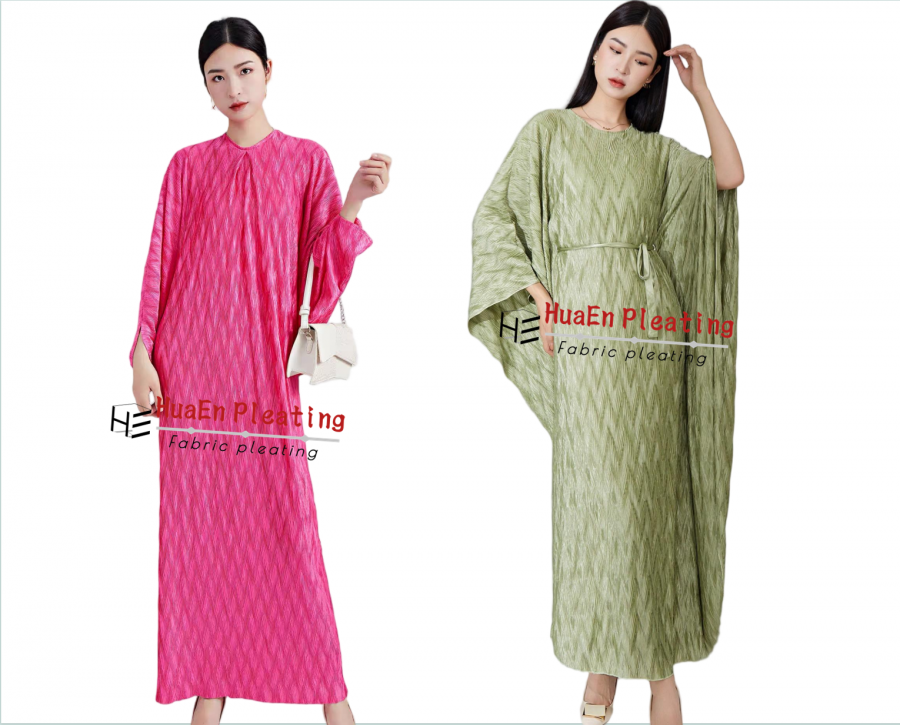
Versatility is another reason the ZJ-316D is highly suitable for mixed fabric work. Different blend ratios—such as polyester-viscose, nylon-spandex, or other synthetic-natural combinations—require slight adjustments in heat and handling. The machine’s adaptability allows operators to fine-tune settings according to the dominant fiber composition, ensuring consistent pleat formation across various material types. This flexibility empowers designers to experiment with innovative textile blends while maintaining commercial-grade quality in the final product.
Pleat retention is also a major concern when dealing with mixed fabrics. Export-ready garments must endure shipping, storage, and repeated wear without losing their structure. The ZJ-316D supports strong pleat memory, particularly in blended fabrics that rely on heat-setting technology. Proper fixation reduces the risk of pleats relaxing or flattening over time, helping brands meet international quality expectations and maintain customer satisfaction.
Finally, the ZJ-316D contributes to efficient product development. Mixed fabric experimentation can be costly if materials are wasted during testing. Because the machine delivers predictable and stable performance, designers can establish optimal settings more quickly, minimizing sampling errors and fabric loss. This efficiency shortens development cycles and helps transition smoothly from prototype to bulk production. Overall, the ZJ-316D pleating machine serves as a dependable solution for designers working with mixed fabric compositions. By combining precise temperature control, balanced pressure, versatility, and consistent pleat retention, it bridges the gap between creative textile innovation and reliable manufacturing performance.