
Release time:January, 30, 2026 Author:admin 

Pleating has become a signature detail in global fashion, appearing in skirts, dresses, abayas, hijabs, scarves, and countless modern silhouettes. For many small designers and startup studios, entering the pleated fabric category has traditionally been challenging due to outsourcing limitations, high manufacturing costs, or inconsistent results from third-party suppliers. However, the arrival of compact, versatile machines like the ZJ-217(C/D) has changed the landscape, giving emerging brands the ability to produce commercial-grade pleats in-house. Designed by Changzhou HuaEn Garment Machinery Factory, the ZJ-217(C/D) brings large-factory capabilities into a studio-friendly footprint. This machine is built for startups that need flexibility, consistent quality, and the power to experiment with pleat types without investing in massive industrial equipment. The ZJ-217(C/D) belongs to HuaEn’s popular ZJ series and is widely trusted among designers in Europe, the Middle East, and Asia for turning conceptual designs into ready-to-sell garments.
One of the greatest advantages the ZJ-217(C/D) offers is pattern versatility, which is essential for small brands trying to stand out. Despite its compact profile, the machine can create many sought-after pleat styles, including knife pleats, flat pleats, sleeping pleats, wave pleats, and other tailored variations. Whether a designer is developing airy chiffon layers for evening gowns or structured polyester pleats for skirts, the machine delivers reliable shaping and retains pleat sharpness after processing. For startups working with diverse materials, fabric compatibility is a key factor. The ZJ-217(C/D) is engineered to pleat delicate fabrics such as chiffon and satin without tearing or stretching, while also handling everyday textiles like polyester, nylon, rayon, and blends. This flexibility eliminates the need to outsource fabric types one at a time, giving small businesses full control over their production calendar.
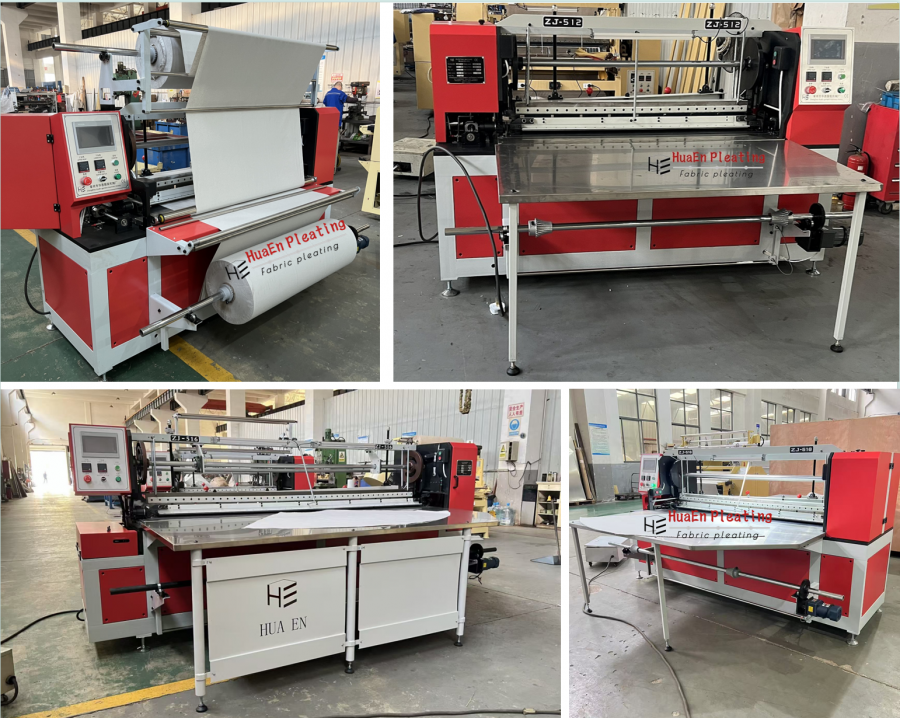
Efficiency is another area where the ZJ-217(C/D) truly supports small studios. Young designers often work with limited staff and tight deadlines. The machine’s straightforward operating system allows quick learning curves, enabling new users to achieve consistent results with minimal training. Fast setup and smooth feeding performance mean designers can shift from sampling to small-batch production without losing momentum. This is especially valuable during peak seasons when clothing brands need to deliver new styles rapidly. Cost control is perhaps the biggest benefit for fashion startups. Outsourcing pleating can be expensive, especially for small quantities, and quality may vary between suppliers. By owning a ZJ-217(C/D), designers gain predictable production costs, reduce material waste, and avoid shipping delays. The machine enables small studios to create samples, correct patterns, and finalize production—all under one roof—speeding up decision-making and protecting intellectual design ideas.
Creativity also thrives when pleating becomes an in-house capability. Designers can experiment freely, test multiple pleat depths or styles, and prototype capsule collections quickly. The machine unlocks design possibilities that might otherwise remain unexplored due to high outsourcing barriers. This agility allows young brands to refresh collections frequently and respond instantly to trends in modest wear, resort fashion, couture, or contemporary street styles. Lastly, the ZJ-217(C/D) gives small studios the confidence and professionalism expected in the global market. With hundreds of these units exported internationally, the machine has a proven record of performance. Startups using it can promise customers artisan-level construction backed by industrial-grade machinery—an advantage that strengthens branding, pricing power, and reputation.
In a fashion world where aesthetics and efficiency must work hand in hand, the ZJ-217(C/D) has become a powerful tool for small garment makers stepping into the world of pleating. It bridges the gap between creativity and manufacturing capability, allowing startups to produce consistent, commercial-quality pleats without requiring massive capital. For many emerging designers, the ZJ-217(C/D) is not just a machine—it’s a pathway to independence, innovation, and growth in a competitive industry.